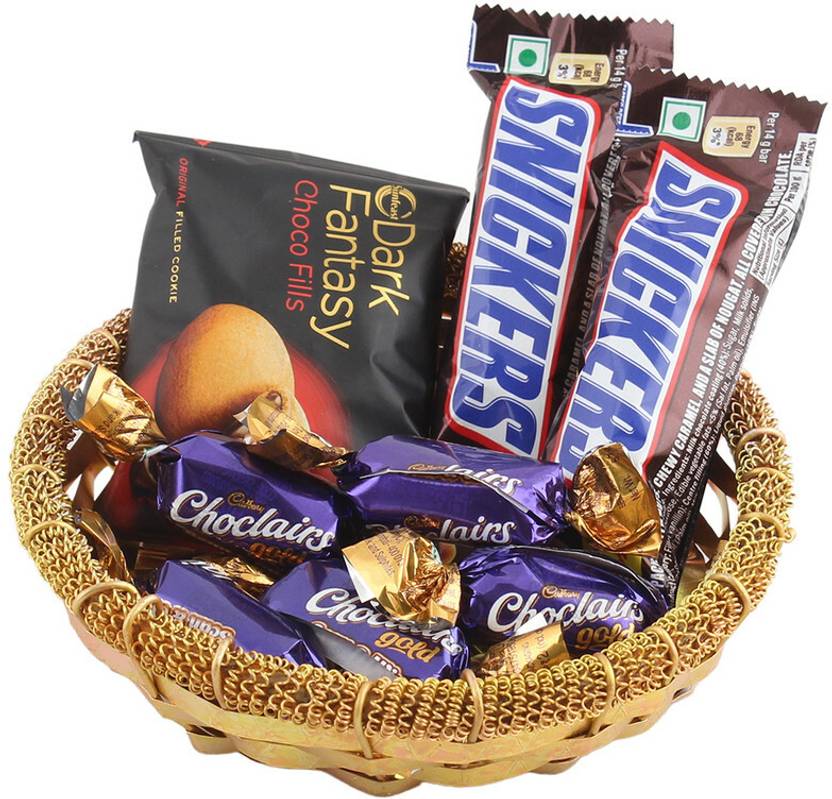
Choosing chocolate chocolate gift baskets for a marketing campaign isn’t just about picking the sweetest bar on the shelf. It’s a strategic decision that can make or break brand perception, employee morale, and even sales. In this guide, we’ll uncover the most common pain points that marketers face when selecting chocolate for gifting, and provide practical solutions to turn those hurdles into delicious successes.
Understanding the Audience: Why Chocolate Matters in Gifting
When you hand someone a chocolate gift, you’re handing over a small promise—“we care about you, we appreciate you, and we’re thinking of you.” The chocolate becomes a tangible expression of your brand’s values. But if you choose the wrong type, the message can backfire.
Brand Alignment
Your chocolate should reflect your brand’s personality. A luxury brand might opt for single-origin, artisanal truffles, while a tech startup could go for sleek, minimalist packaging that feels futuristic. Misalignment can leave recipients feeling like they’re receiving a generic corporate gift rather than a thoughtful token.
Emotional Resonance
Chocolate is an emotional trigger. It evokes warmth, nostalgia, and indulgence. By selecting flavors that resonate with your target demographic—think dark chocolate for health‑conscious consumers or creamy milk chocolate for families—you reinforce the emotional connection you want to build.
Common Pain Points in Chocolate Selection
Even with a clear strategy, marketers often stumble on practical challenges. Below are the most frequent pain points and how to address them.
Taste Diversity and Preferences
People’s taste buds vary widely. A single chocolate bar that delights one group may be a disappointment to another. This diversity can cause a mismatch between your gift and the recipient’s palate.
- Solution: Offer a variety of flavors or a customizable box where recipients can pick their favorites.
Packaging and Presentation
Packaging is the first impression. If the box looks clunky or the labeling is confusing, the gift loses its wow factor.
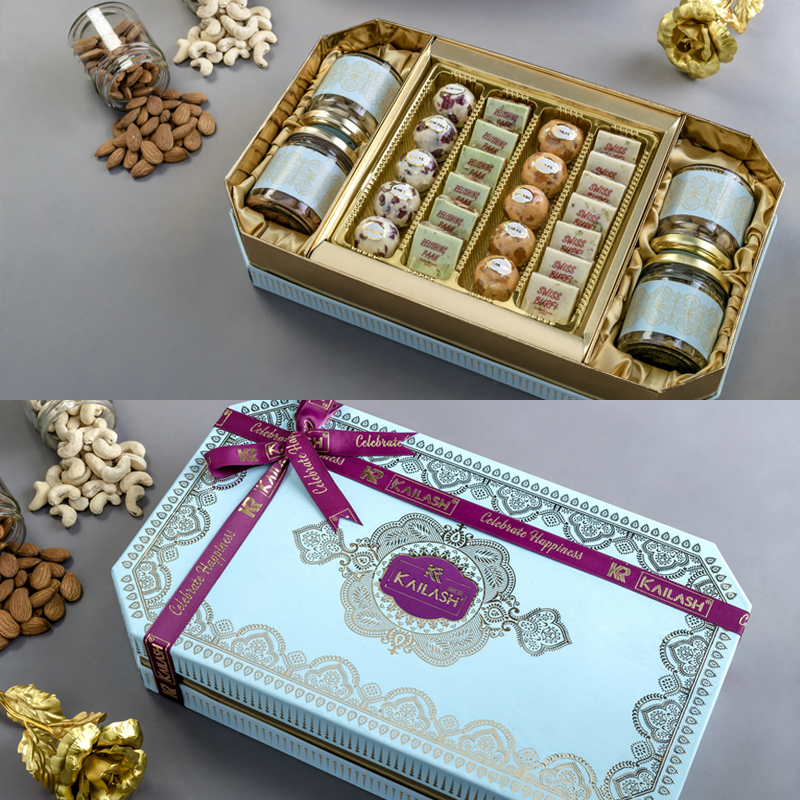
- Solution: Invest in professional packaging design that aligns with your brand colors and messaging. Consider eco‑friendly materials to appeal to sustainability‑savvy audiences.
Shelf Life and Storage
Chocolate is sensitive to temperature and humidity. A poorly stored chocolate can melt, become sticky, or develop a “bloom” that looks unappetizing.
- Solution: Choose chocolate with a longer shelf life and provide clear storage instructions. Avoid sending chocolate during extreme weather seasons.
Cost vs. Perceived Value
A higher price tag doesn’t automatically translate to higher perceived value. Conversely, a cheap chocolate can feel like a cheap gesture.
- Solution: Balance cost with quality. A mid‑range chocolate that is well packaged can outperform a premium bar that looks generic.
Ethical Sourcing and Sustainability
Modern consumers increasingly care about where their chocolate comes from. A brand that overlooks ethical sourcing risks alienating a growing segment of conscientious buyers.
- Solution: Opt for fair‑trade, organic, or single‑origin chocolates that come with certifications. Highlight these credentials on the packaging or in accompanying notes.
Navigating Budget Constraints
Budget constraints are a reality for most marketing campaigns. The good news? You can still deliver a memorable chocolate gift without breaking the bank.
- Bulk purchasing: Negotiate discounts with suppliers for large orders. Seasonal deals: Take advantage of holiday sales or end‑of‑season clearances. Custom branding: Add your logo or a short message to a standard chocolate box; the cost difference is minimal compared to a fully custom design. Tiered gifting: Offer a basic chocolate to all recipients and a premium option to key stakeholders.
Quality Assurance and Supplier Reliability
Choosing the right supplier is as critical as selecting the right chocolate. A reliable partner ensures consistency, timely delivery, and compliance with your brand standards.
- Supplier audits: Verify that the supplier follows Good Manufacturing Practices (GMP) and has a proven track record. Sample testing: Request samples for tasting and quality checks before placing a bulk order. Clear contracts: Define delivery timelines, quality metrics, and penalties for non‑compliance.
Practical Tips for a Successful Campaign
Once you’ve addressed the pain points, here are actionable steps to ensure your chocolate gifting campaign hits the sweet spot.
- Define objectives: Are you boosting employee morale, rewarding clients, or launching a new product? Your goal will dictate the chocolate type and presentation. Know your audience: Conduct a quick survey or use existing data to understand flavor preferences and dietary restrictions. Create a timeline: Plan for at least 6–8 weeks from selection to delivery to accommodate production and shipping. Add personalization: A handwritten note or a custom ribbon can transform a standard chocolate box into a treasured keepsake. Track feedback: After distribution, gather recipient reactions to refine future gifting strategies.
The Perfect Gift Awaits
Choosing chocolate for marketing campaign gifting is a delicate dance between taste, presentation, and budget. By acknowledging the common pain points—taste diversity, packaging, shelf life, cost perception, and ethical sourcing—you can sidestep pitfalls and deliver a gift that delights.
Remember the anecdote of the marketing director who sent a batch of standard chocolate to a health‑conscious client list. The result? A flurry of “I’m not sure if I can eat this” comments and a few “I only ate one bar” responses. The lesson? Even a small mismatch can ripple through your brand’s reputation.
As the famed chocolate maker Pierre Hermé once said, “The best chocolate is not just a treat; it’s an experience.” Use that experience to craft a gifting strategy that feels thoughtful, purposeful, and unforgettable.
Now that you’ve mapped out the terrain, it’s time to pick the right chocolate, seal it in a beautiful package, and let it speak volumes about your brand’s care and commitment. Happy gifting!