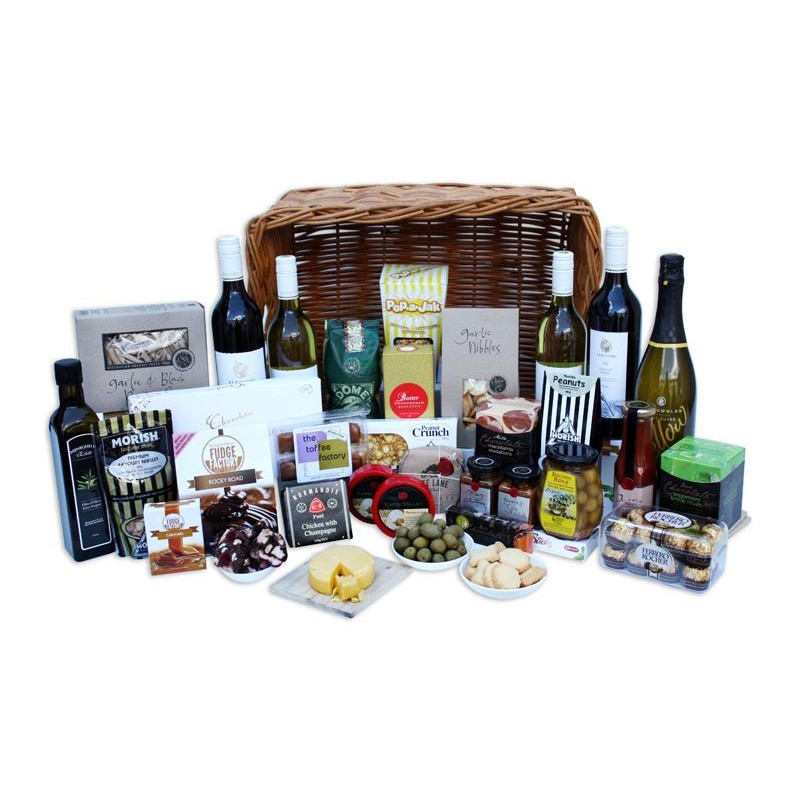
Corporate gifting can feel like navigating a maze blindfolded—especially when the maze is paved with boxes of artisanal cheeses and hand‑crafted chocolates. The question on many boardroom tables is simple yet profound: what are the corporate gifting policies for premium hampers? This article will unpack that question, offering a clear map of legalities, brand alignment, budgeting, and a sprinkle of humor to keep the journey enjoyable.
Understanding Corporate Gifting Policies
Why Policies Matter
Corporate gifting isn’t just a polite gesture; it’s a strategic tool. A well‑structured policy ensures that every hamper sent out is a reflection of the company’s values and a compliance‑ready investment. Think of it as the difference between sending a postcard and mailing a carefully curated treasure chest: the former is a nice thought, the latter is a statement.
Legal and Tax Implications
When you hand a premium hamper to a client or employee, you’re stepping into a minefield of tax rules. The IRS and local tax authorities treat gifts differently based on value, recipient, and purpose. A key rule: if the hamper’s value exceeds $25 per recipient, it may be considered taxable income. Companies must document the purpose, keep receipts, and sometimes issue a Form 1099‑G to the recipient. Failing to do so can result in penalties that dwarf the cost of a single hamper.
Premium Hampers: More Than Just a Box
What Makes a Hamper Premium?
A premium hamper is not merely a bundle of goodies; it’s a curated experience. Features that elevate a hamper include:
- Quality ingredients: single‑origin chocolate, artisanal cheeses, organic teas. Presentation: custom wooden boxes, silk ribbons, personalized notes. Branding: subtle logos, eco‑friendly packaging, storytelling elements.
These details turn a simple gift into a memorable brand touchpoint.
Common Items and Themes
Corporate gifting managers often cycle through themes that resonate across industries:

- Wellness: herbal teas, essential oil diffusers, spa kits. Culinary: gourmet spice blends, premium coffee, artisanal pastries. Corporate: branded notebooks, high‑end pens, executive desk accessories.
Choosing the right theme depends on the recipient’s role and the message you want to convey.
Crafting Your Gifting Strategy
Aligning with Brand Values
Ask yourself: “What does this hamper say about us?” If your company prides itself on sustainability, opt for eco‑friendly packaging and locally sourced products. If innovation is your mantra, include tech‑savvy items like smart mugs or wireless chargers. A mismatch can feel like a broken record—repeating the wrong tune.
Budgeting and ROI
Every hamper is an investment. A quick way to gauge ROI is to calculate the cost per impression. For instance, a $150 hamper sent to a key client could translate to a $5,000 contract if the client feels valued enough to reciprocate. Use bullet points to keep track:
- Cost per hamper: $120 Number of recipients: 30 Total spend: $3,600 Projected revenue uplift: $15,000 ROI: 315%
The numbers speak louder than any Seasonal collection fancy packaging.
Compliance Checklist for Premium Hamper Gifting
Documentation and Tracking
- Recipient list: name, title, company, and relationship. Gift description: items included, total value. Purpose note: why the gift is being sent. Receipt copy: for internal audit and tax purposes.
Keeping https://rylankzuv300.iamarrows.com/christmas-hampers-australia-with-christmas-hamper-ideas-for-employees-the-ultimate-guide-to-holiday-office-joy a spreadsheet or a dedicated software tool ensures nothing slips through the cracks.
Timing and Frequency
- Seasonal peaks: holidays, fiscal year ends, anniversaries. Avoiding pitfalls: don’t send gifts during periods of company layoffs or public scrutiny. Frequency limits: many jurisdictions cap the number of taxable gifts per year; stay below the threshold.
A timely hamper can feel like a warm cup of cocoa on a rainy day—comforting and timely.
Real-World Example: A Small Business Wins Big
A boutique consulting firm faced a dilemma: their CEO wanted to thank a long‑time client with a premium hamper, but the client’s company had a strict no‑gift policy. The CEO, after a quick Google search, discovered that the client’s policy allowed gifts up to $75 if the recipient was a decision maker. The firm sent a $70 hamper featuring artisanal cheeses, a personalized crystal glass, and a handwritten note. The client, impressed by the thoughtful selection, signed a two‑year contract, boosting revenue by 12%. The moral? Knowing the policy and staying within limits can turn a simple gift into a lucrative partnership.
> “The best gifts are those that make the receiver feel appreciated, not obligated.” – Anonymous
Making Your Selection Count
When choosing a premium hamper, think of it as planting a seed. The right gift nurtures relationships, while the wrong one can wither under scrutiny. Keep these final pointers in mind:
- Know the policy: always read the fine print before you order. Match the message: align the hamper’s theme with your brand narrative. Track the impact: use data to refine future gifting strategies.
Remember, a well‑planned gift is like a well‑tuned orchestra—each instrument (or item) plays its part to create a harmonious experience. By mastering corporate gifting policies for premium hampers, you’ll not only avoid legal pitfalls but also compose a symphony of goodwill that resonates long after the last chocolate bar is enjoyed.
Ready to elevate your gifting game? Start by reviewing your current policy, then let the hamper selection process begin. Your next client or employee will thank you—and so will your bottom line.